Get Storm Remediation in Denver, CO
Storm remediation services for Denver area property owners help repair and restore damage caused by heavy rain, hail, wind, or flooding, including roof, siding, and basement projects.
Storms can cause significant damage to properties in Denver, CO, making storm remediation services an important consideration for many property owners. Whether dealing with roof leaks, water intrusion, or structural concerns, having access to experienced local contractors can help address these issues efficiently. Exploring different options for storm damage repair allows property owners to compare approaches and find solutions tailored to their specific needs, ensuring their property remains safe and protected.
For those planning repairs or upgrades after a storm, understanding the range of available services and identifying reputable local contractors is a practical step. Connecting with experienced professionals in the Denver area can provide valuable insights into the best methods for storm remediation. Keep reading to learn more about how local service providers can support property owners in managing storm-related challenges effectively.
- Storm Damage Cleanup - needed after a severe storm causes debris and water intrusion in homes or businesses.
- Flooded Basement Restoration - required when heavy rain leads to basement flooding in neighborhoods like Capitol Hill or Highland.
- Roof Repair Services - necessary following hail or wind damage to protect properties in areas such as Cherry Creek or Stapleton.
- Gutter and Drainage Solutions - essential when clogged or damaged gutters contribute to water pooling during storms.
- Structural Damage Assessment - important after storms cause foundation shifts or roof collapses in neighborhoods like Five Points or Wash Park.

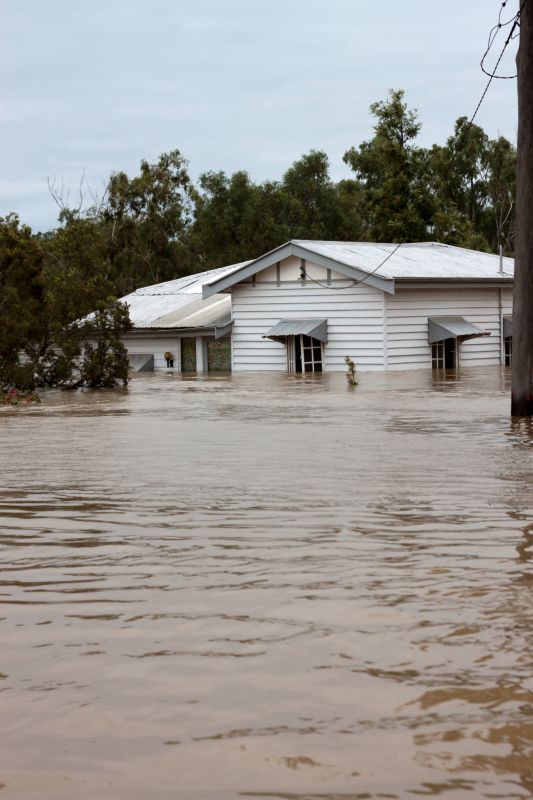
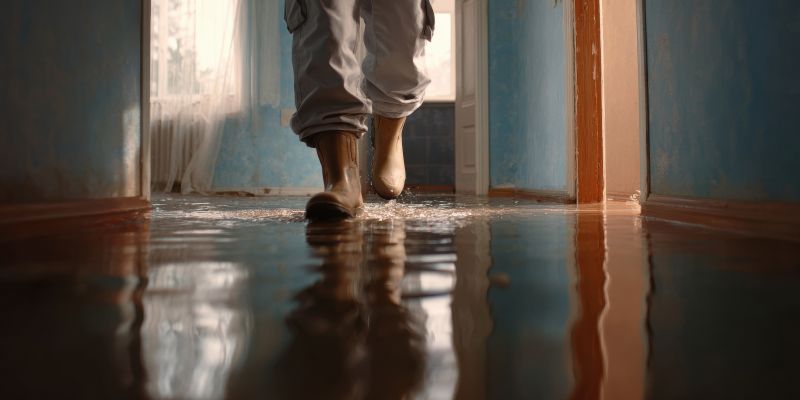
Storm remediation services involve identifying and addressing damage caused by severe weather events such as heavy rain, hail, or strong winds. These professionals assess the extent of the impact on a property’s exterior and interior, focusing on areas like roofing, siding, windows, and foundation. The goal is to repair or replace damaged elements to restore the property’s integrity and prevent further issues. This process often includes removing debris, patching leaks, and reinforcing vulnerable structures to ensure the home can withstand future storms.
These services help solve a variety of problems that arise after storm events. Common issues include roof leaks, broken or missing shingles, water intrusion into the attic or walls, foundation cracks, and compromised siding or windows. Left unaddressed, these damages can lead to more serious problems such as mold growth, structural weakening, or interior water damage. Storm remediation professionals work to quickly contain and repair these issues, helping homeowners protect their investment and maintain a safe, comfortable living environment.
Storm remediation is typically used by homeowners in areas prone to severe weather, such as Denver, CO, and surrounding communities. Properties that have experienced recent storm damage or are at risk of future events often seek these services. This includes single-family homes, multi-family residences, and even commercial buildings that need urgent repairs to prevent further deterioration. Whether the damage is minor or extensive, local contractors can provide the necessary expertise to assess the situation and carry out effective repairs.
Homeowners should consider storm remediation services when they notice visible damage or signs of water intrusion after a storm. Common indicators include missing shingles, roof sagging, leaks inside the home, cracks in the foundation, or damaged siding. Prompt action can help minimize repair costs and prevent secondary problems. By working with experienced service providers, property owners can ensure their homes are properly restored and better prepared for future weather challenges.
The overview below groups typical Storm Remediation projects into broad ranges so you can see how smaller, mid-sized, and larger jobs often compare in Denver, CO.
In many markets, a large share of routine jobs stays in the lower and middle ranges, while only a smaller percentage of projects moves into the highest bands when the work is more complex or site conditions are harder than average.
Smaller Repairs - minor storm damage repairs, such as patching small cracks or sealing leaks, typically cost between $250-$600. Many routine jobs fall within this range, especially for straightforward fixes on residential properties. Fewer projects push into higher costs unless additional work or extensive repairs are needed.
Moderate Restoration - more extensive storm damage involving multiple repairs or partial roof work usually ranges from $1,000-$3,000. These projects are common for homes experiencing moderate damage that requires multiple areas addressed by local contractors.
Severe Damage Repair - significant storm-related damage, including large sections of roofing or structural repairs, can cost between $4,000-$10,000. Larger, more complex projects tend to fall into this band, though they are less frequent than smaller or moderate jobs.
Full Roof Replacement - complete storm damage to a roof generally costs from $8,000-$25,000 or more, depending on the size and materials. Larger, high-end projects are less common but can reach higher costs for premium materials or extensive structural work.
Actual totals will depend on details like access to the work area, the scope of the project, and the materials selected, so use these as general starting points rather than exact figures.
Flood Damage Restoration - local contractors who specialize in cleaning and repairing properties affected by flooding often utilize similar water extraction and drying techniques used in storm remediation.
Roof Repair and Replacement - storm events frequently cause roof damage, making roof repair services reliant on planning and materials management comparable to storm damage mitigation.
Drainage System Installation - ensuring proper drainage to prevent water accumulation during storms involves planning and skills similar to those used in stormwater management and remediation projects.
Foundation Repair - addressing water intrusion and foundation issues caused by heavy storms requires expertise in soil stabilization and structural assessment akin to storm damage repair.
Gutter and Downspout Installation - effective stormwater management through gutter systems involves planning and installation processes similar to those in storm remediation projects.
Water Damage Restoration - local service providers who handle water damage from leaks or storms utilize comparable drying, cleaning, and structural repair techniques found in storm remediation services.
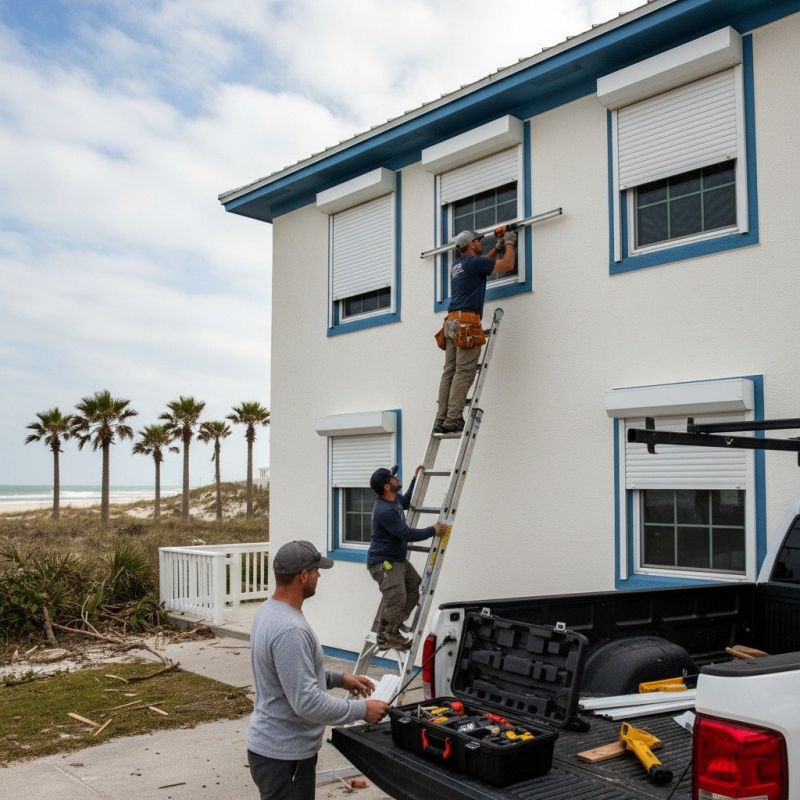
When comparing storm remediation service providers, it’s essential to consider their experience with similar projects in the Denver area or nearby communities. An experienced contractor will be familiar with common storm-related issues, local building codes, and the best practices for restoring properties affected by severe weather. By reviewing the backgrounds of different local contractors, homeowners can gain confidence that the professionals they consider have a proven track record of handling projects comparable in scope and complexity to their own situation.
Clear, written expectations are a key factor in selecting a reliable storm remediation provider. Service providers should be able to outline the scope of work, materials, and responsibilities in a detailed manner. This transparency helps ensure that both parties have a mutual understanding of what the project entails, reducing the potential for misunderstandings or surprises later on. Homeowners are encouraged to ask for written estimates or proposals that specify the work to be performed, so they can compare options effectively.
Reputable references and effective communication are also critical when evaluating local contractors. Service providers who can provide references from previous clients demonstrate accountability and a history of satisfactory work. Additionally, the ability to communicate clearly and promptly throughout the process helps ensure that questions are answered and concerns addressed. While this site introduces homeowners to local options, it does not perform the work itself; instead, it aims to connect those in need of storm remediation services with trusted local professionals who can handle the job efficiently and professionally.
Property owners in Denver, CO use Storm Remediation services for practical projects around their homes and businesses. This guide focuses on everyday jobs and straightforward project options.
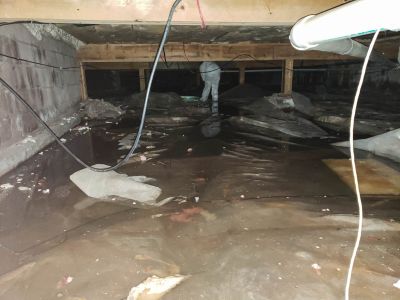
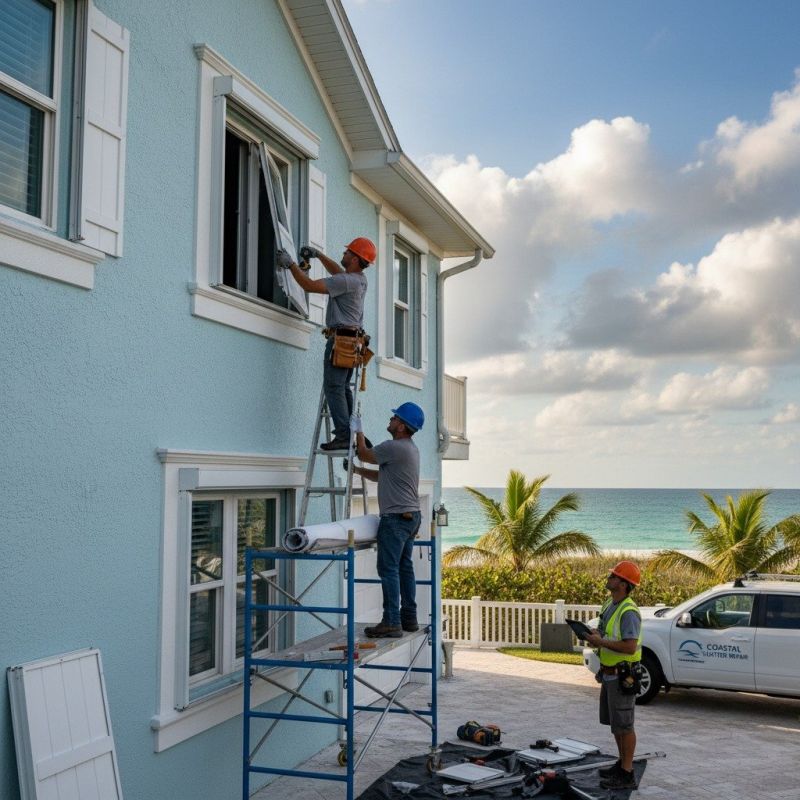
Storm remediation services are often needed after heavy rainstorms, hail, or snowfalls that can cause water intrusion, roof damage, or flooding in Denver properties. Property owners may seek out local contractors to address issues like leaks, roof breaches, or water buildup that can compromise the structure or lead to mold growth. These projects typically involve assessing storm-related damage and implementing repairs to protect the property from future weather events, ensuring it remains safe and secure through Colorado’s varying seasons.
In addition to storm-related damage, property owners might look for storm remediation assistance following unexpected incidents such as fallen tree limbs causing roof punctures or basement flooding due to blocked drainage systems. Local service providers are equipped to handle emergency repairs, water extraction, and damage mitigation, helping homeowners and business owners restore their properties efficiently. Connecting with experienced contractors ensures that storm-related issues are addressed properly, reducing the risk of further damage and supporting property resilience in Denver’s climate.
What is storm remediation? Storm remediation involves services to repair and restore properties damaged by severe weather events, such as heavy rain, hail, or wind in Denver, CO and nearby areas.
How do storm damage assessments work? Local service providers evaluate the extent of storm-related damage to determine necessary repairs and help homeowners understand their options.
What types of storm remediation services are available? Services can include roof repairs, water extraction, debris removal, and structural repairs to address various storm-related damages.
Can storm remediation prevent future damage? While services focus on repairing existing damage, some contractors also offer recommendations to help reduce vulnerability to future storms.
How do I find qualified storm remediation contractors in Denver? Contacting a local lead generation service can connect homeowners with experienced contractors who handle storm damage repairs in the area.
Flood Damage Repair - Property owners can find local contractors to restore areas affected by flooding, helping to prevent further structural issues.
Mold and Mildew Removal - Homeowners experiencing persistent moisture problems can connect with service providers to eliminate mold growth safely.
Waterproofing Services - Those looking to protect their basements or foundations from future water intrusion can explore options with nearby contractors.
Drainage System Solutions - Property owners can improve yard and landscape drainage to reduce water pooling and minimize storm damage risks.
If you are thinking about Storm Remediation for a property in Denver, CO, this guide is meant to help you understand the work, the typical project types, and how different options might fit your plans.
When you are ready, you can use the quote form on this page to share a few details about your project. From there, local pros can review the basics and respond with options that match what you have in mind.